Every marketer has stared at an unsubscribe notification and felt a small sting. But here is the thing: a reason for unsubscribing is not a rejection of your business. It is data. It tells you something specific went wrong, whether that is frequency, relevance, or timing, and it hands you the fix for free.
Most businesses treat unsubscribes as a loss to mourn instead of a signal to read. That is a mistake. Once you understand the actual reason for unsubscribing, you can rebuild your email strategy around what your list actually wants, and that includes knowing when to exclude purchased customers from promotional emails so you are not annoying people who already said yes.
This is where a tool like BIGContacts by ProProfs comes in handy. It keeps your contact history, purchase data, and email activity in one dashboard, so you can spot patterns before they turn into an exodus. Let us break down why people unsubscribe, what you can do about it, and how to keep your list healthy going forward.
What Is a Reason for Unsubscribing?
A reason for unsubscribing is the specific cause behind a subscriber choosing to opt out of your email list. It usually falls into a handful of categories: too much volume, irrelevant content, poor targeting, or a mismatch between what was promised and what got delivered.
Marketers often lump all unsubscribes into one number, the unsubscribe rate. But the unsubscribe reason behind that number is what actually matters. Two lists can have the same unsubscribe rate for completely different reasons, and the fix for one will not work for the other.
Why Does Every Unsubscribe Reason Matter for Your Business?
Every unsubscribe reason matters because it is direct, unfiltered feedback from a real customer, and most customers never bother to give feedback any other way.
Unlike a survey response or a support ticket, an unsubscribe is an action, not an opinion. It shows you exactly where your email strategy broke down. Ignore the pattern, and you keep losing subscribers for the same avoidable reason. Read the pattern, and you get a roadmap for a better list.
- Reveals gaps in list segmentation
- Flags content that no longer matches subscriber interest
- Signals when email frequency has crossed from helpful to annoying
- Protects your sender reputation with inbox providers like Gmail and Outlook
A study by GetApp in 2024 shows 56 percent of U.S. consumers unsubscribe once they receive four or more marketing emails from the same company within 30 days. GetApp is part of Gartner Digital Markets, and that single stat should shape how often you hit send.
What Are the Top Reasons for Unsubscribing from Emails?
The top reasons for unsubscribing are volume fatigue, irrelevant content, unexpected emails, and a mismatch between subscriber expectations and what actually lands in the inbox.
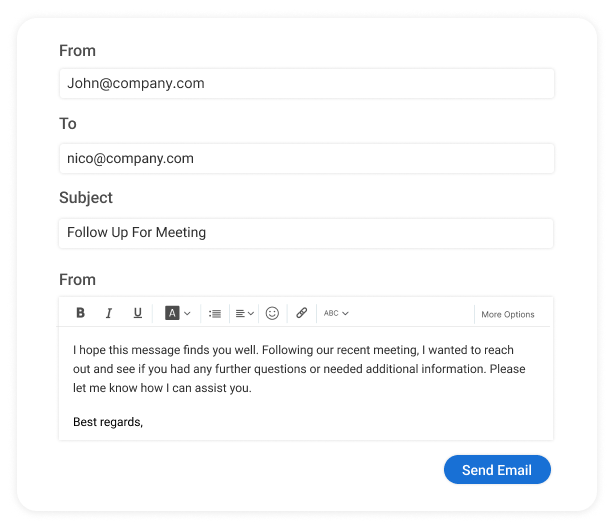
Here is what shows up most often when businesses ask subscribers why they left:
- Too many emails from the same sender in a short period
- Content that has nothing to do with the subscriber’s interests or past purchases
- Promotional emails sent to someone who already bought the product
- Emails that never deliver the value promised at signup
- A sender the subscriber does not recognize or remember opting into
- No option to reduce frequency instead of leaving entirely
Notice that most of these reasons trace back to one root problem: a lack of segmentation. When you cannot tell who already converted, who is still browsing, and who has gone cold, you end up treating your entire list the same way, and that is exactly what pushes people to leave.
How Can You Exclude Purchased Customers from Promotional Emails?
You can exclude purchased customers from promotional emails by tagging contacts with their purchase status inside your CRM, then building your send list around that tag instead of your full contact database.
Here is how the process works in practice:
- Tag every contact with their current stage. Mark them as lead, trial user, or paying customer as soon as that status changes.
- Sync purchase data automatically. Connect your CRM to your billing or order system so purchase status updates without manual entry.
- Build a suppression list. Create a segment of contacts who already purchased the item your promotional campaign is pushing.
- Exclude that segment before you send. Most CRM and email tools let you subtract a segment from your send list in one step.
- Send a different message instead. Replace the promotional email with a thank-you note, a loyalty offer, or a cross-sell for a related product.
This single habit removes one of the most common and most avoidable reasons for unsubscribing: a customer feeling like the business does not know they already bought the thing being advertised.
BIGContacts by ProProfs is a simple, affordable CRM built for growing small businesses, with contact management, email marketing, task automation, and sales pipeline tracking in one place, so tagging and excluding purchased customers takes minutes instead of a spreadsheet headache.
How Does Segmentation Lower Your Unsubscribe Reason Rate?
Segmentation lowers your unsubscribe reason rate by matching each email to the group most likely to want it, instead of sending one blanket message to everyone on your list.
Think of your list as several smaller lists stacked together: new leads, active trial users, repeat customers, and dormant contacts. Each group has different expectations.
- New leads want education and onboarding content, not a hard sell
- Active customers want product tips, updates, and support resources
- Repeat buyers respond well to loyalty offers, not first-purchase discounts
- Dormant contacts need a re-engagement email, not your regular newsletter
A study by Grand View Research in 2025 shows the global CRM market is expected to reach 163.16 billion dollars by 2030, growing at a 14.6 percent annual rate, with small and mid-sized businesses now the fastest-growing adopter group. That growth reflects a simple truth: smaller teams are realizing that segmentation, not sending volume, drives real engagement.
What Problems Does a High Unsubscribe Rate Actually Reveal?
A high unsubscribe rate usually reveals a mismatch between your sending habits and your list’s actual expectations, not a failure of your product or brand.
| Problem | What It Looks Like | The Fix |
| Frequency overload | Subscribers get 3 or more emails a week regardless of interest | Set a frequency cap per segment |
| No segmentation | Every contact gets the same campaign | Tag contacts by stage and interest |
| Promotional emails to buyers | Customers who purchased still get discount pushes | Exclude purchased customers from promotional emails |
| Stale content | Same offers repeated month after month | Rotate content types and personalize by activity |
| Cold list neglect | Inactive contacts get full-volume sends | Build a separate re-engagement track |
How Does a CRM Compare to a Spreadsheet for Managing Unsubscribe Reasons?
A CRM tracks unsubscribe reasons alongside full contact history in real time, while a spreadsheet only stores static data that goes out of date the moment someone updates it manually.
- Spreadsheets: Manual updates, no automatic sync with purchase or activity data, easy to send the wrong email to the wrong segment
- CRM tools: Automatic tagging, purchase-status sync, one-click segment exclusion, and a full activity timeline per contact
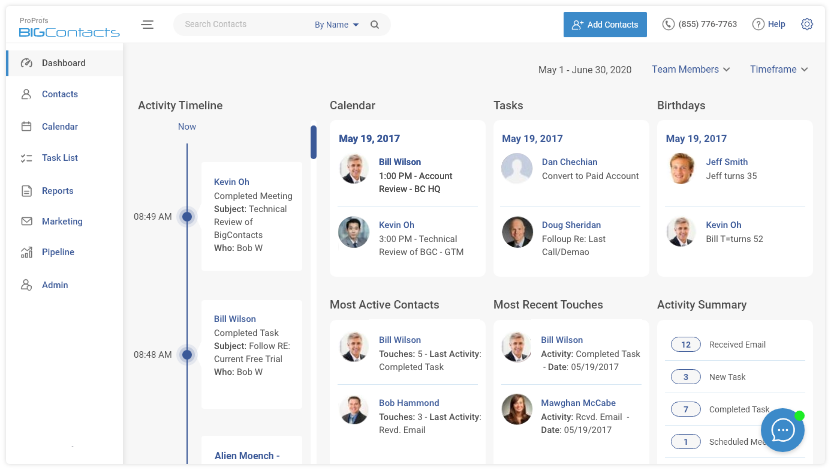
For a growing team managing hundreds or thousands of contacts, a spreadsheet becomes a liability fast. One missed update means a paying customer gets a “Still thinking it over?” email, and that is exactly the kind of moment that turns into a reason for unsubscribing.
BIGContacts by ProProfs solves this by keeping contact status, purchase history, and email activity synced automatically, and its forever-free plan makes it accessible even for a one-person marketing team just getting started.
How Should You Choose the Right Tool to Track Unsubscribe Reasons?
Choose a tool that combines contact tagging, purchase-status tracking, and email segmentation in one place, so you are not stitching together data from three different systems every time you plan a campaign.
Look for these capabilities before you commit to a tool:
- Automatic contact tagging by lifecycle stage
- One-click segment building and exclusion
- Purchase or order data sync
- Built-in email marketing, not just contact storage
- Reporting that shows unsubscribe reasons, not just unsubscribe counts
BIGContacts by ProProfs is a simple, affordable CRM built for growing small businesses, with contact management, email marketing, task automation, and sales pipeline tracking in one place, which means you get the segmentation and exclusion tools described above without juggling separate apps.
Start Building a List That Actually Wants to Hear From You
Every reason for unsubscribing is a small correction, not a rejection. Read the pattern behind your opt outs and you will usually find one or two fixable habits: too much volume, too little relevance, or promotional emails landing on people who already bought.
The fix is not sending less for the sake of sending less. It is sending the right email to the right segment, and that starts with knowing who is a lead, who is active, and who already converted.
For teams looking for something simple to start with, a tool like BIGContacts makes it easy to tag contacts, exclude purchased customers from promotional emails, and track why people leave, all without hours of training or a big budget.
Frequently Asked Questions
What Is the Most Common Reason for Unsubscribing?
The most common reason is receiving too many emails in a short period. Subscribers rarely mind hearing from a brand occasionally, but frequent, repetitive sends push people to opt out fast.
Why Do People Unsubscribe Even When They Like a Brand?
People often like a brand but still unsubscribe because the emails no longer match their current needs. Interest changes over time, and untargeted content feels irrelevant even from a brand they trust.
How Do I Find Out Why Someone Unsubscribed?
Add a short, optional exit survey to your unsubscribe page with 3 to 4 reason options. Most email tools support this, and the data helps you fix patterns instead of guessing.
Should I Remove Unsubscribed Contacts from My CRM?
Do not delete them. Keep the record and mark them as unsubscribed so you avoid re-adding them by accident later and can still track their purchase history separately.
How Can I Exclude Purchased Customers from Promotional Emails Automatically?
Sync your CRM with your billing or order system so purchase status updates automatically. Then build your send list from a segment that excludes anyone already tagged as a customer.
Does Segmentation Really Reduce Unsubscribe Reasons?
Yes. Segmentation matches content to interest and stage, which removes the two biggest unsubscribe reasons: irrelevance and repetition. Smaller, targeted sends consistently outperform one blanket list.
What Is a Healthy Unsubscribe Rate?
Most industries consider anything under 0.5 percent healthy, though this varies by list size and send frequency. What matters more is whether the reason behind it is fixable.
Can a CRM Help Lower My Unsubscribe Reason Rate?
Yes. A CRM like BIGContacts tags contacts by stage and purchase status, so you can build segments and exclude buyers from promotional sends without manual list cleanup.
Is It Better to Reduce Email Frequency or Improve Content?
Both matter, but frequency is the faster fix. Start by capping sends per segment, then work on tightening relevance once volume is under control.
Do Small Businesses Need Segmentation Tools?
Yes. Even small lists benefit from separating leads, active customers, and past buyers. It takes minutes to set up in a CRM and prevents the most common unsubscribe reason.
What Happens If I Ignore Unsubscribe Reasons?
You keep losing subscribers for the same avoidable reason, and your sender reputation with inbox providers can drop, which affects deliverability for your entire list.
How Does BIGContacts Help with Unsubscribe Reasons?
BIGContacts keeps contact tags, purchase status, and email activity in one dashboard, so you can build accurate segments and exclude purchased customers from promotional emails in a few clicks.